The Spiritual and Cultural Significance of Attars
The Spiritual and Cultural Significance of Attars
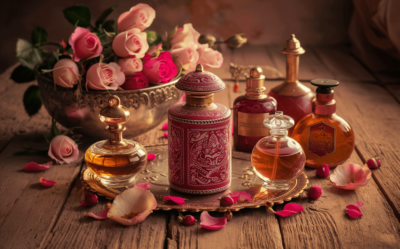
Throughout history, fragrance has been seen as a way to cleanse not just the body, but also the soul. In Islamic tradition, fragrance holds a sacred position. The Prophet Muhammad (PBUH) was known for his love of perfume and said: “Perfume is one of the things I love from your world.”
This elevated attar beyond vanity — it became an act of spiritual purification. Applying attar before prayer, especially on Fridays (Jumu’ah) or during Eid, is a Sunnah (prophetic practice). Attar is also used during religious gatherings, dhikr (remembrance of God), and even in burials as a mark of honor.
In Sufism, attars are used to prepare the body for meditation and spiritual ecstasy. In Hinduism, floral and sandalwood-based attars are offered to deities as a form of worship. Buddhist monks use calming oils to aid in mindfulness.
Thus, attars bridge ritual and personal care. They act as fragrant companions on a spiritual path, enhancing focus, humility, and presence. In a time of sensory overload, attar offers sacred simplicity.



One comment
safepayment
Fastidious answer back in return of this query with genuine arguments and telling the whole thing
regarding that.