The Ancient Art of Attar Making: A Journey Through Time
Attars — also known as ittars — have a legacy that predates modern perfumery by centuries. Their origins can be traced back to ancient India, Persia, and Arabia, where fragrant oils were not just for adornment, but carried medicinal, spiritual, and cultural value.
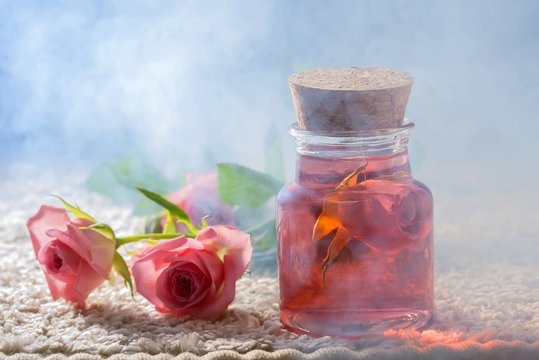
In India, the city of Kannauj became the heart of attar production. Even today, it is referred to as the Grasse of the East. Traditional distillation techniques like the Deg-Bhapka method (copper still distillation) are still practiced, where fresh flowers such as Ruh Gulab (Rose), Ruh Khus (Vetiver), and Chameli (Jasmine) are slowly simmered and condensed into sandalwood oil.
In the Islamic Golden Age, attars were refined into a spiritual and hygienic art. They were used before prayer, in hospitality, and as a mark of personal refinement. Attars became a luxury enjoyed by Sultans, Mughals, Sufis, and scholars. Their scent defined status and grace.
Today, attars continue to thrive among perfume connoisseurs who value natural, alcohol-free, handcrafted alternatives to synthetic fragrances. Each bottle of attar is a time capsule — holding centuries of cultural heritage, artisanal mastery, and nature’s poetry.


Add comment